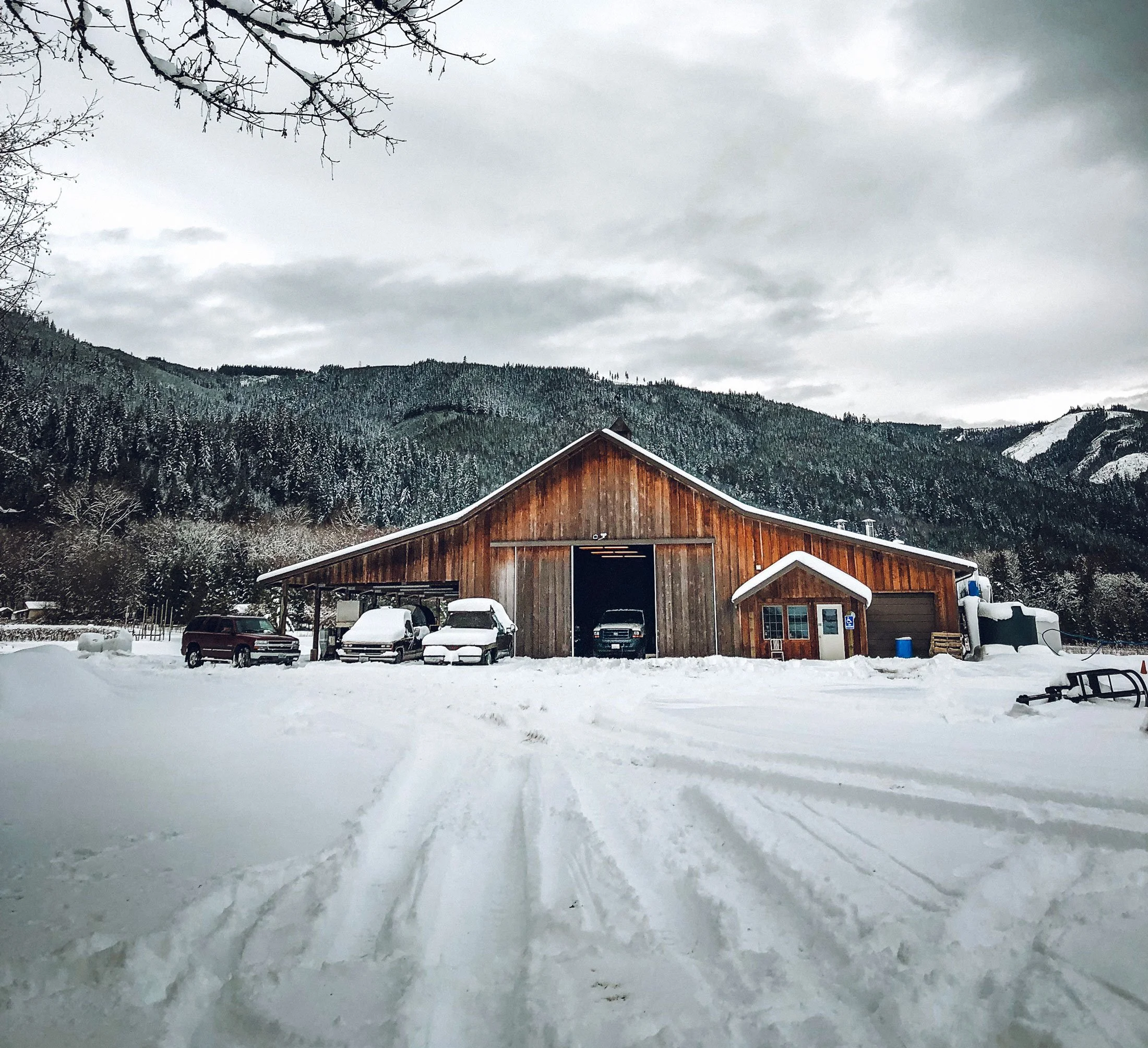
The story of THE ORIGINAL West Coast maple syrup all started here in acme, washington.

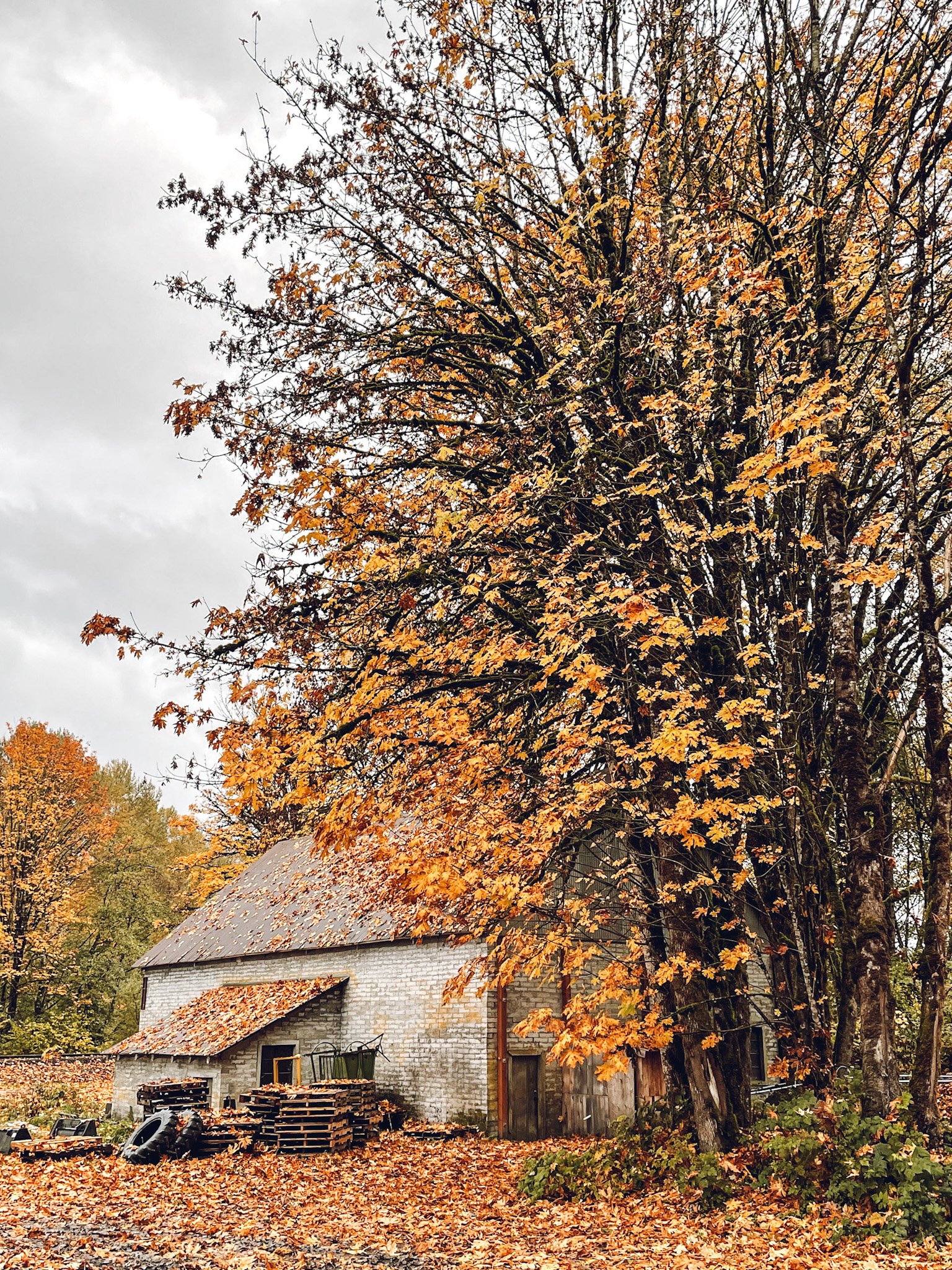
2013
In 2013, Neil McLeod found a paper buried in Oregon State University's archives. Researchers had tested whether bigleaf maple—the towering native maple of the Pacific Northwest—could produce sap like its East Coast cousins.
The answer was yes. But nobody had done anything with it.
Neil, a former commercial fisherman with a lifetime of watching weather and reading landscapes, decided to find out for himself. He tapped a tree. Nothing happened. He tried again. Failed again. Adjusted his timing, studied the temperature swings, learned the rhythms of a species no one had seriously tried to tap before.
Then one day, sap flowed.
It was the first drop of what would become an entirely new industry.
The Discovery - Acme, Washington
2015
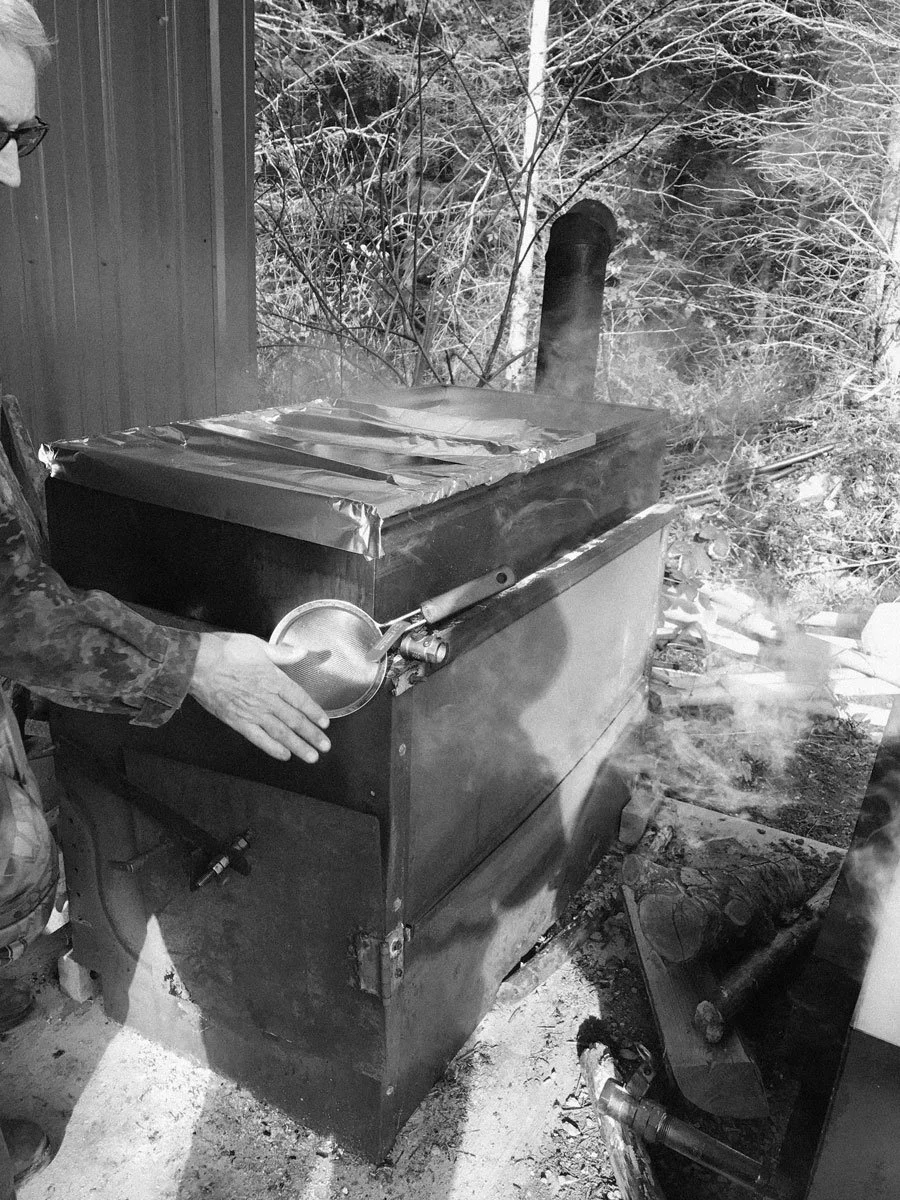
Neil cooking sap over wood burning stove. Circa 2015
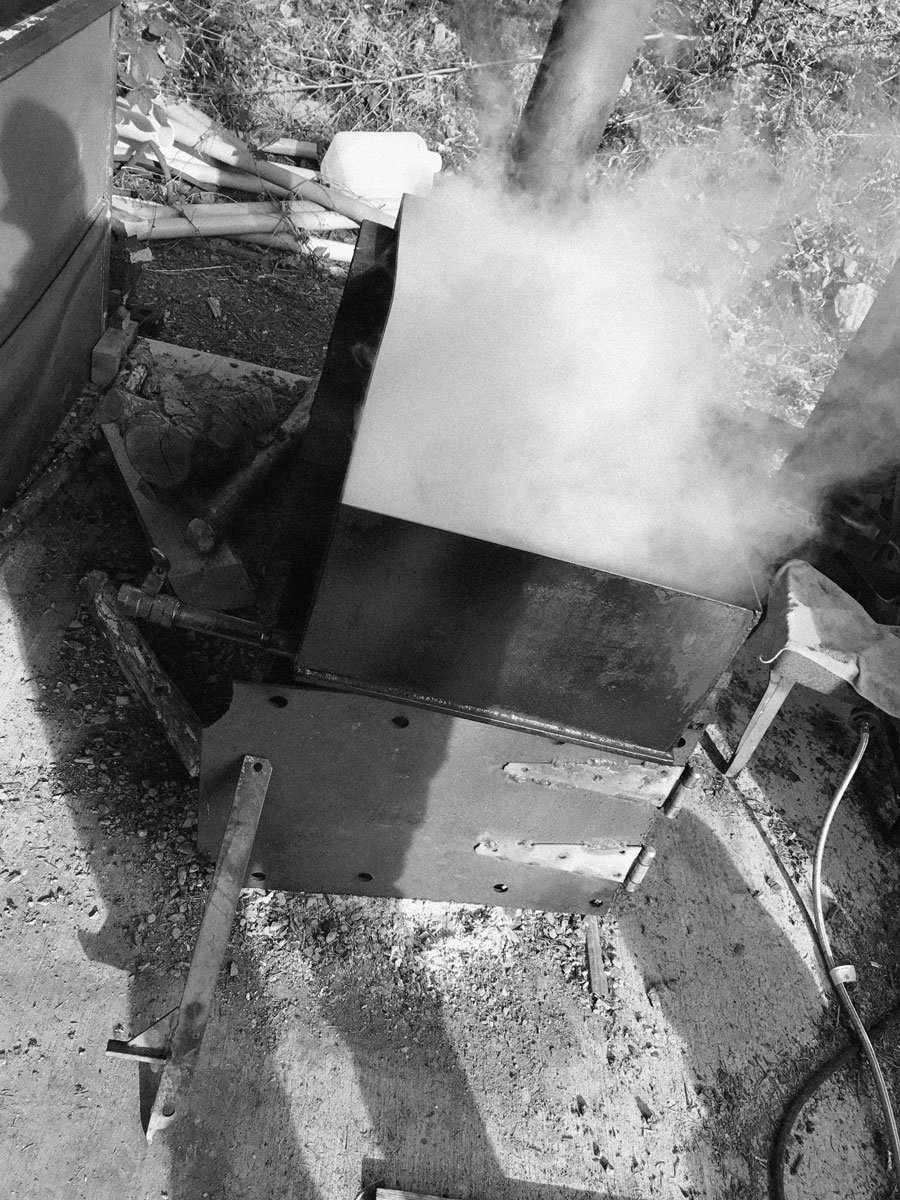
What started as curiosity became a family project. Neil's son Devin, along with friends and family members, joined him along a creek bed in Acme, Washington—a quiet valley in the foothills of the North Cascades, lined with healthy bigleaf maples.
The setup was simple. Gravity-fed jugs sourced from a local diner. Cleaned, repurposed, and checked daily. On good days, they collected over 100 gallons of sap. Neil processed it the old way—cooking it down over an open fire in a custom-made stainless steel pan, then hand-bottling the syrup in his kitchen.
The result was rich, complex, and unlike anything from Vermont. Subtler. Deeper. Notes of vanilla and caramel that spoke of a different forest entirely.
Neil started giving bottles away as gifts. They became the thing people talked about at dinner parties. Forget the wine—it was the syrup everyone wanted to know about. You made this? Here? From these trees?
The answer was yes. And demand was just getting started.
The Backyard Years
2016
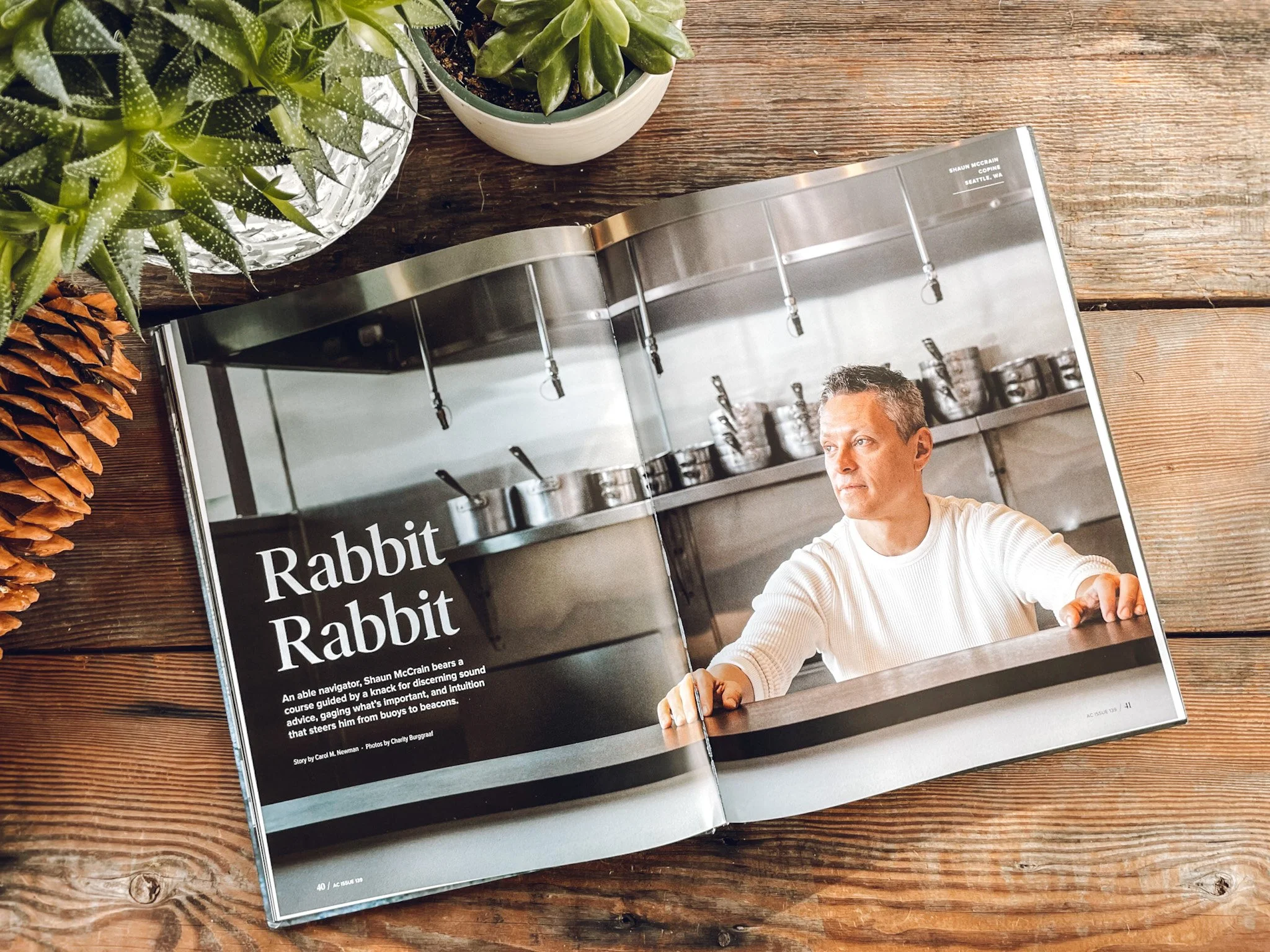
Devin had built his own reputation in the Pacific Northwest food scene. His small farm operation, Valley Farmstead, had become known for high-quality rabbit, pastured poultry, and a closed-loop philosophy that resonated with chefs who cared about sourcing. Michelin-starred restaurants were regulars. The farm welcomed chef tours. Everything was raised on custom feed produced on-site.
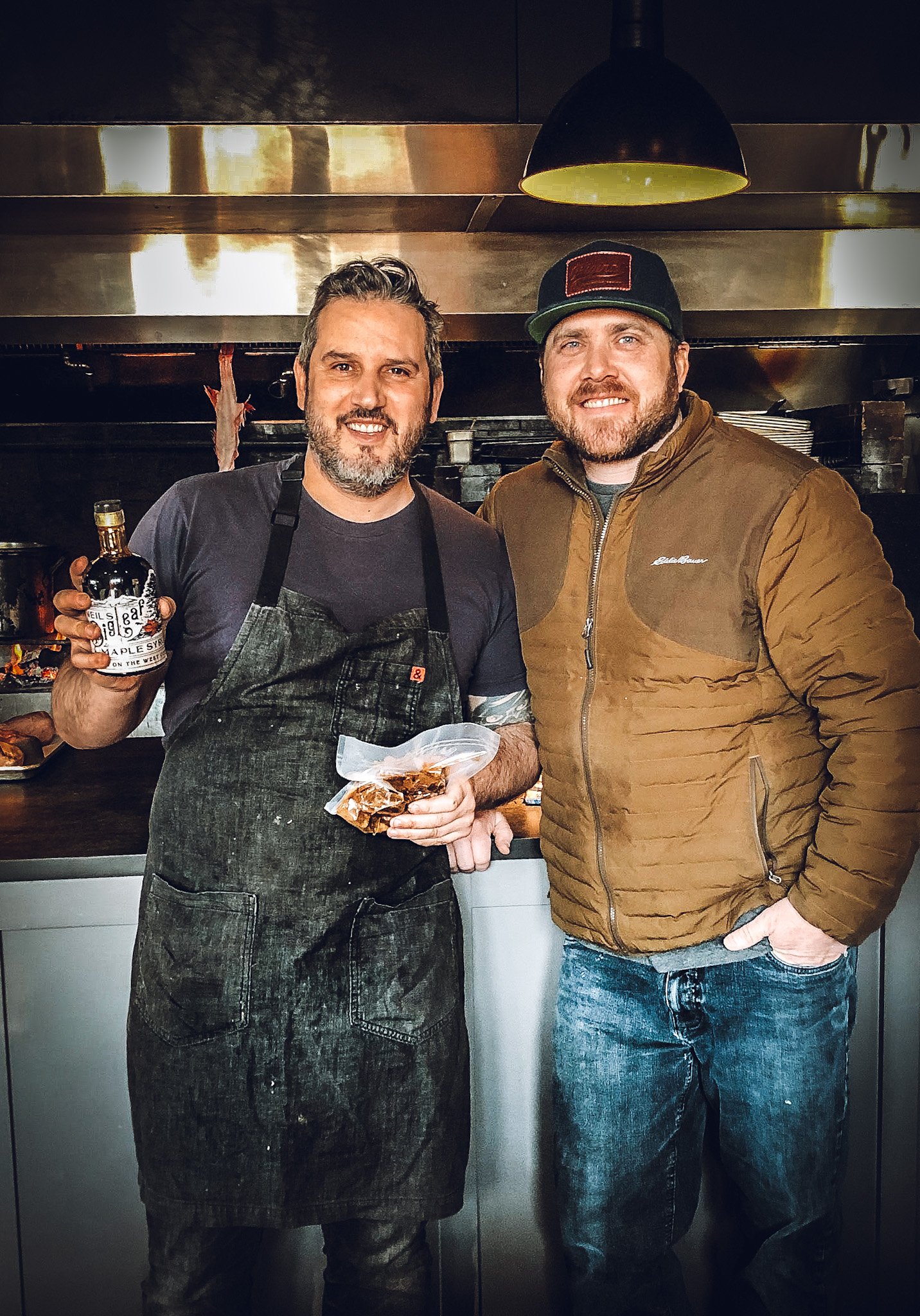
So when Devin packed a few sample bottles of Neil's syrup before heading to Canlis—one of Seattle's most celebrated restaurants—it was almost an afterthought. He was there to talk rabbit.
The rabbit landed. But when chef Niels Brisbane tasted the syrup, everything shifted. His eyes lit up. He leaned forward.
"How much can you make? We'll take all of it."
Devin brought that response back to Neil. The message was clear: this wasn't just a hobby anymore.
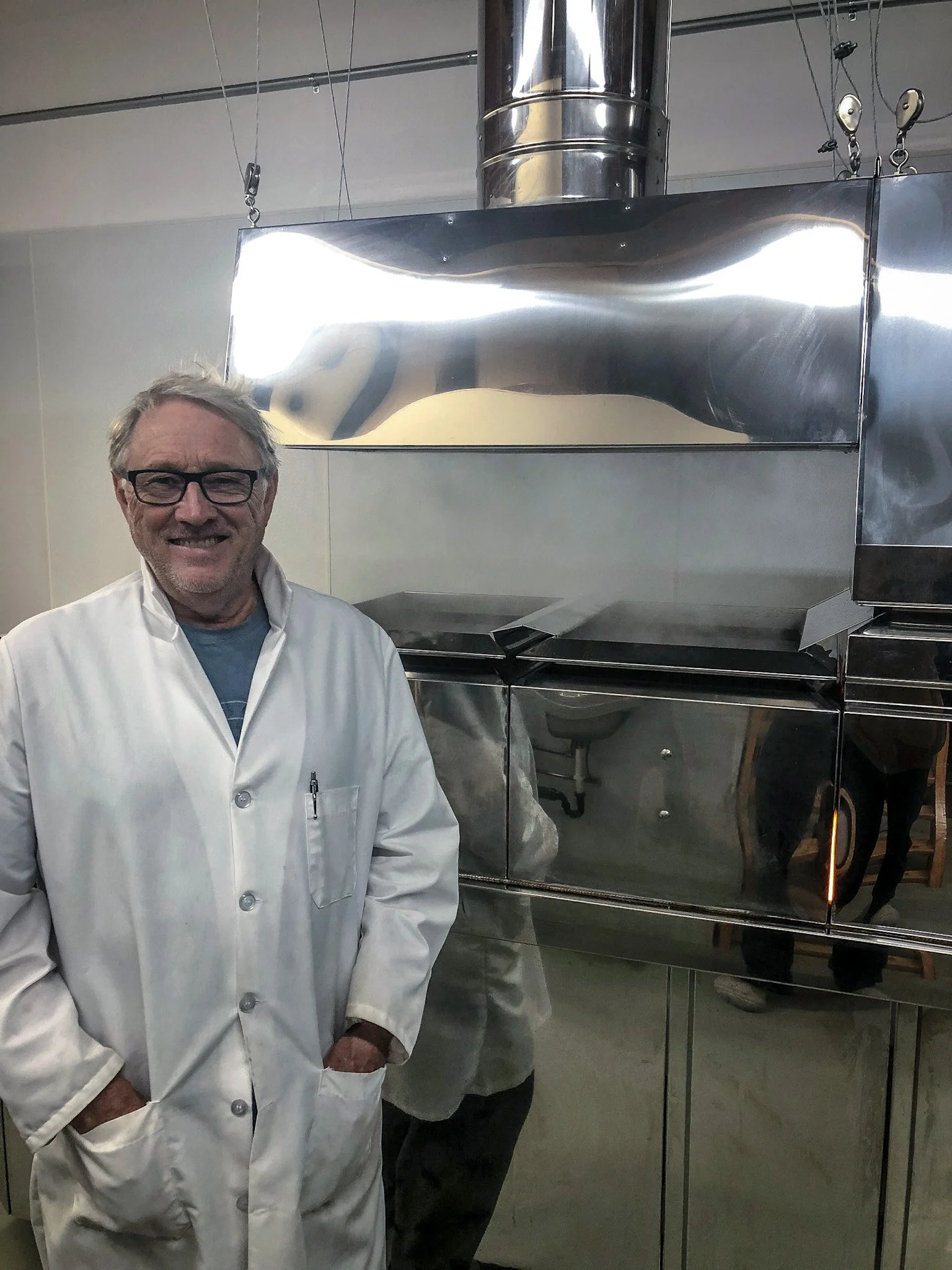
Within weeks, Neil rented a trailer and drove to Wisconsin. He came back with a commercial evaporator, an extractor, vacuum pumps, and miles of tubing. The backyard experiment was becoming a real operation.
A Chef Leans Forward
2017
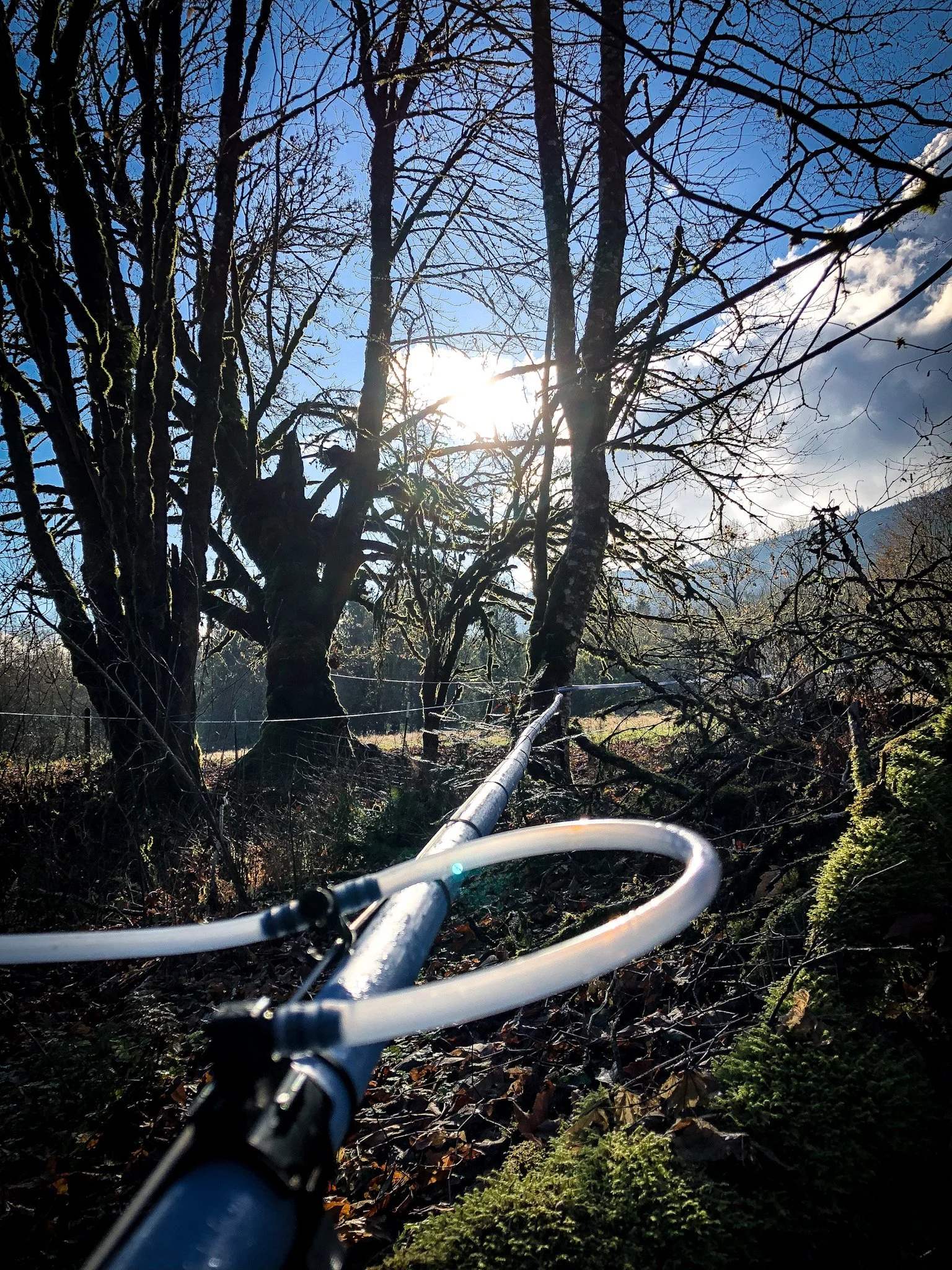
The new equipment transformed what was possible. Neil built out a proper sugar shack with a reverse osmosis system that concentrated the sap before cooking, cutting processing time dramatically. The family installed miles of collection tubing through the woods, connecting trees to a vacuum-powered extraction system.
The first commercially-licensed bigleaf maple syrup producer in the United States —establishing the regulatory framework for an industry that didn't yet exist.
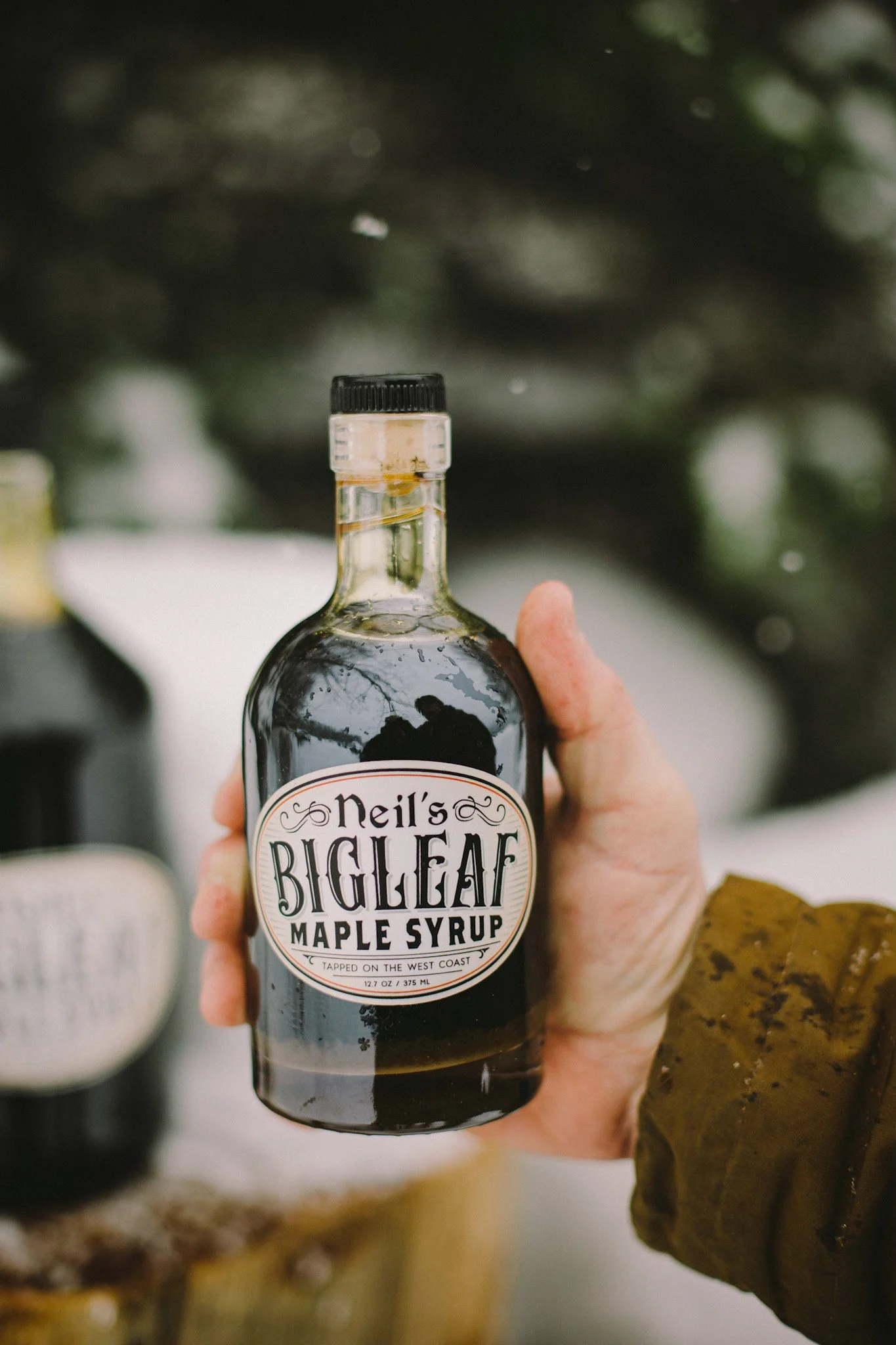
Soon, Neil's Bigleaf Maple Syrup was showing up alongside Devin's farm products in fine dining kitchens from the Canadian border to Portland. Chefs couldn't keep it in stock. The flavor profile—subtler than Eastern maple, with those signature vanilla and caramel undertones—became a secret weapon for bartenders, pastry chefs, and anyone looking to add something genuinely unique to their menu.
The challenge wasn't selling. It was making enough.
Going Commercial
2019
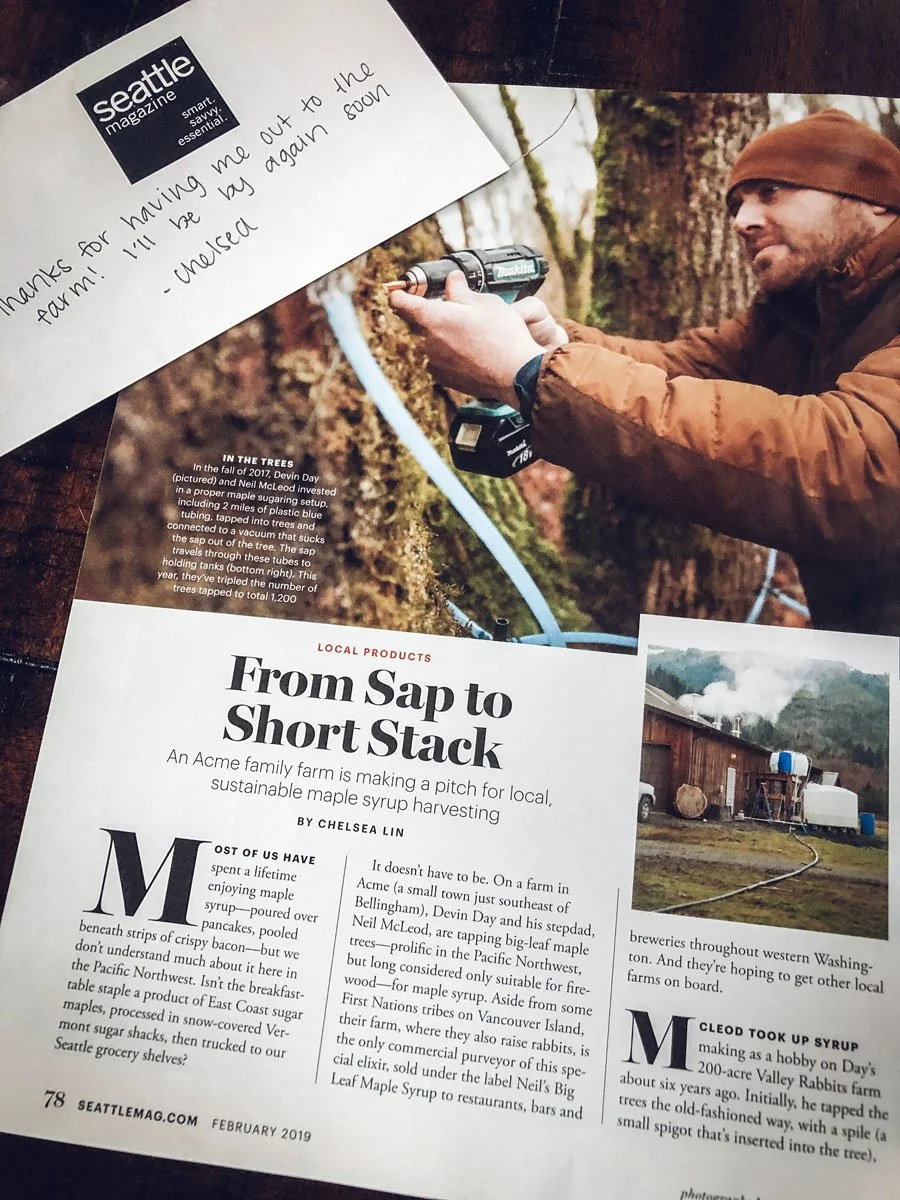
In January 2019, Seattle Magazine reached out. They wanted to write about this unusual farm producing maple syrup in Washington—something most people assumed was impossible.
The article hit, and everything changed.
Orders flooded in. The phone rang constantly. Visitors showed up wanting to see it for themselves. What had been a regional secret was suddenly a story people wanted to tell.
Over the next two years, the coverage continued. Seattle Times. Seattle Refined. NPR. King 5 News. Modern Farmer. Each outlet helped share what we'd discovered: that the Pacific Northwest had been sitting on a remarkable, untapped resource for generations—and someone had finally figured out how to unlock it.
The Story Spreads
2019
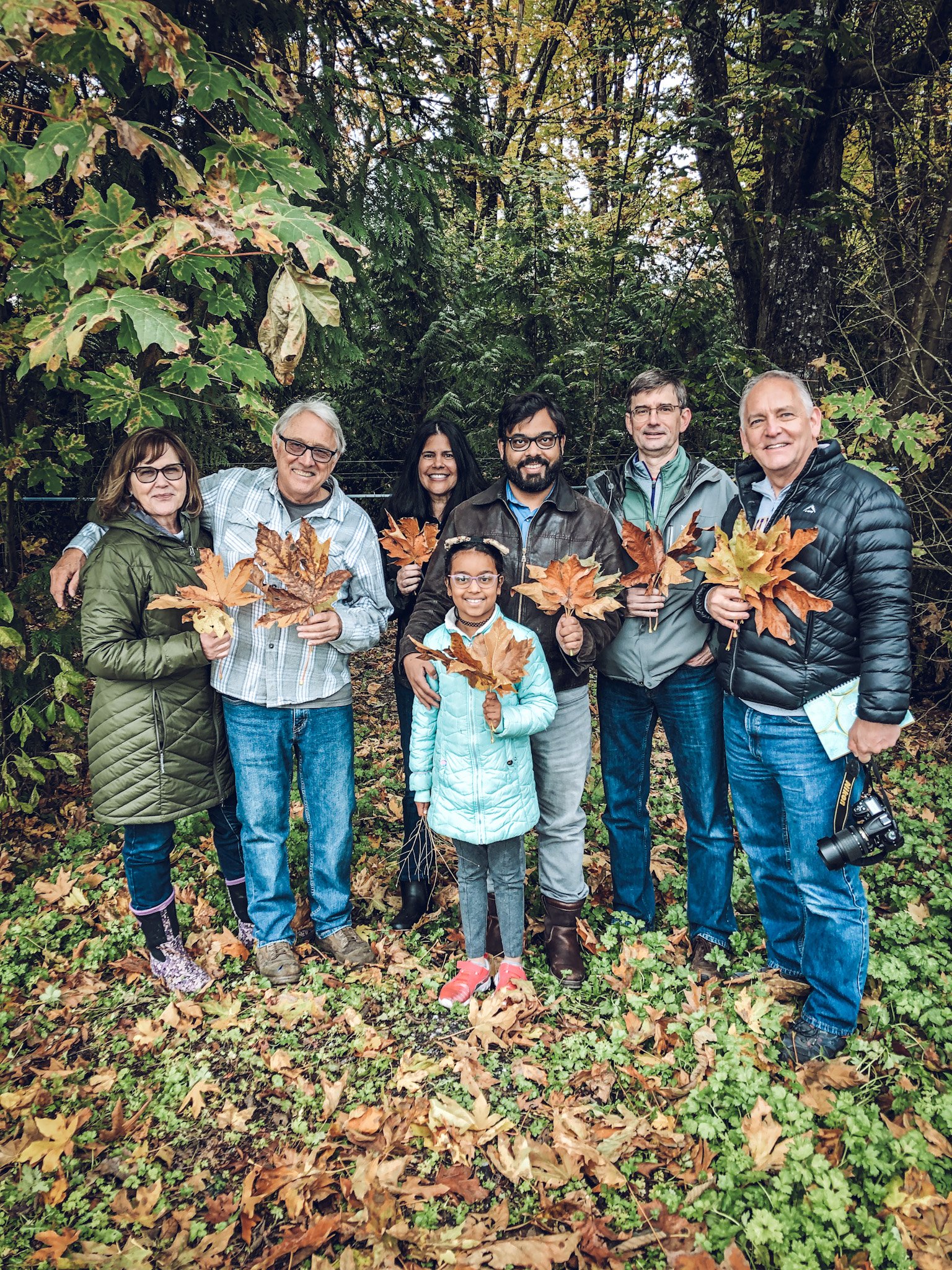
In October 2019, nine months after the Seattle Magazine article published, Neil received an unexpected phone call.
Dr. Kent Wheeler, a forestry professor at the University of Washington, had news. The university had used our article as supporting evidence that commercial bigleaf maple syrup production was viable on the West Coast. Based on that proof of concept, they'd been awarded a $500,000 USDA ACER grant to study the potential of bigleaf maple.
Soon, researchers from UW were visiting the sugar shack in Acme, walking the lines, asking questions, and beginning the academic work that would expand understanding of what these trees could do.
Washington State University followed with their own grant. Then Oregon State University. The research programs multiplied. Interest spread to landowners, hobbyists, and aspiring producers across the region.
Today, there's an annual West Coast Maple Conference that rotates between the universities each year. We've delivered keynote presentations, collaborated on research, and watched a community form around something that didn't exist a decade ago.
None of it would have happened without that first tap in Acme.
An Industry Takes Root
2025 & BEYOND
The vision has grown far beyond syrup.
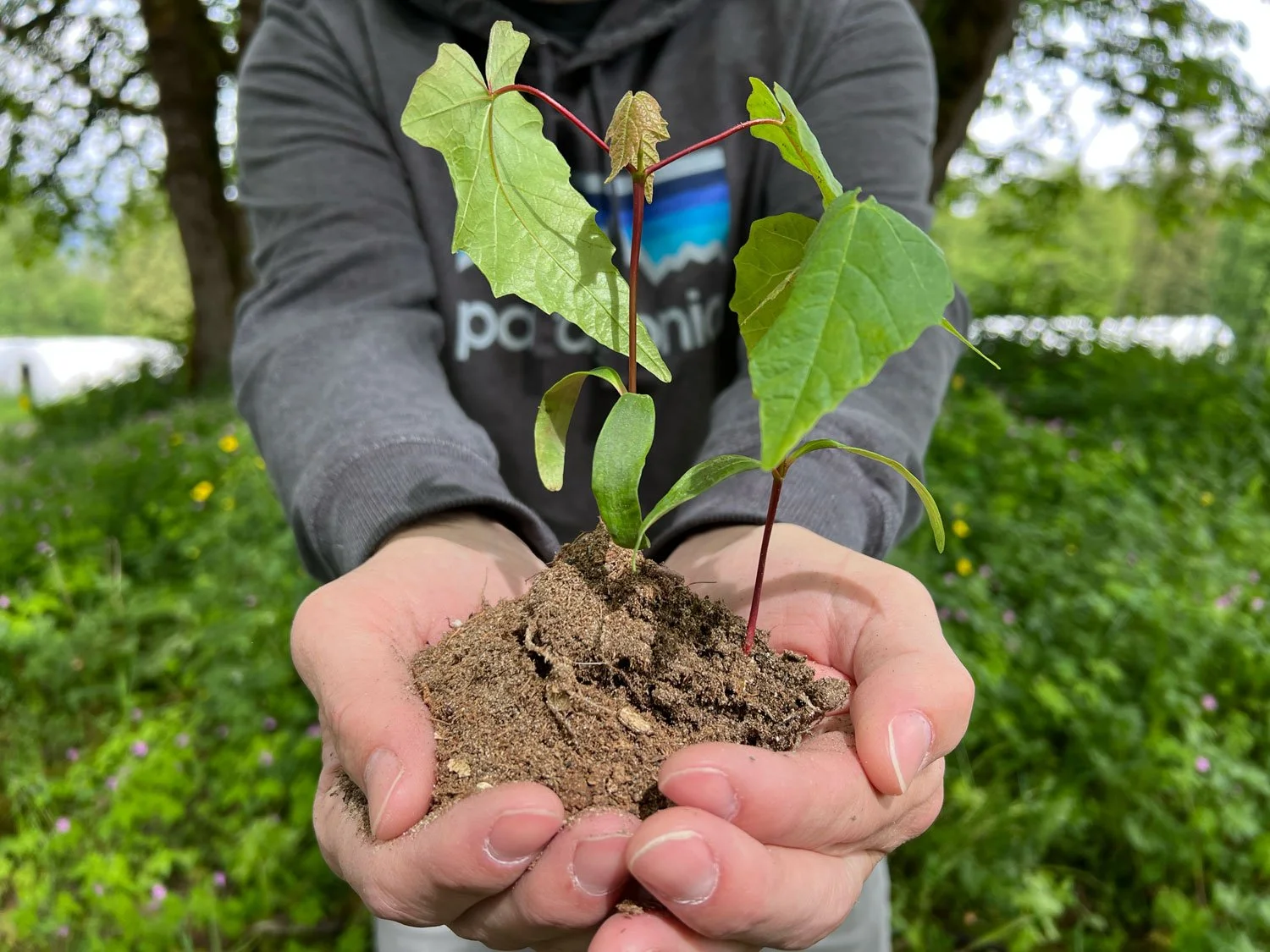
We're now building something bigger—permanent bigleaf maple forests designed to restore Washington's original rainforest ecosystem while producing sustainable value for generations. We call it Advanced Agroforestry Systems. The model is simple: protect the land, let the forest produce, and never clearcut.
The trees that everyone dismissed as "junk trees" turn out to be one of the most valuable and sustainable crops in the Pacific Northwest. They protect watersheds, build soil, sequester carbon, and produce a resource that funds their own expansion.
From a single tap to a movement. From a backyard experiment to an industry.
This is just the beginning.
What Comes Next